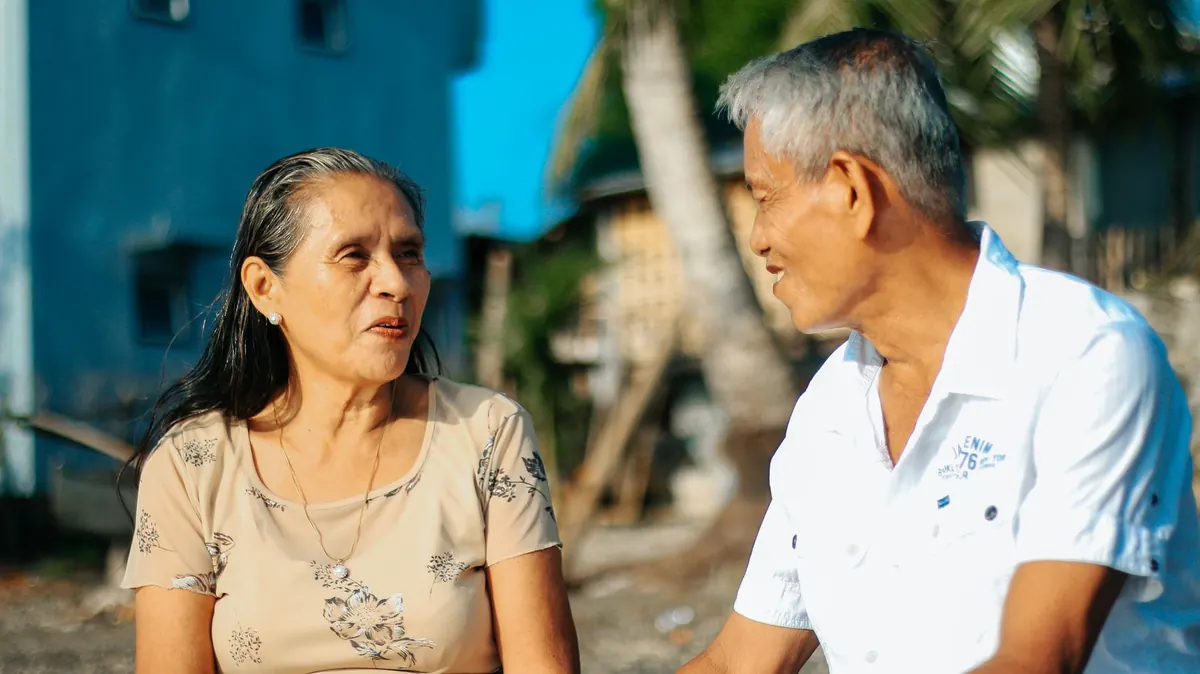
A Beginner's Guide to Oral History Interviews With Elder Relatives
Somewhere in your family there is a story that only one person can still tell. How your grandparents met. What your great-grandmother cooked on Sundays. Why the family left one town for another. Those details live in memory rather than in documents, and they go quiet when the person holding them does. An oral history interview is simply a conversation with a purpose: you ask, they talk, and a recorder catches what would otherwise slip away. You do not need training, expensive equipment, or a historian's credentials. You need an afternoon, a short list of questions, and the patience to let someone take their time.
Start Before You Press Record
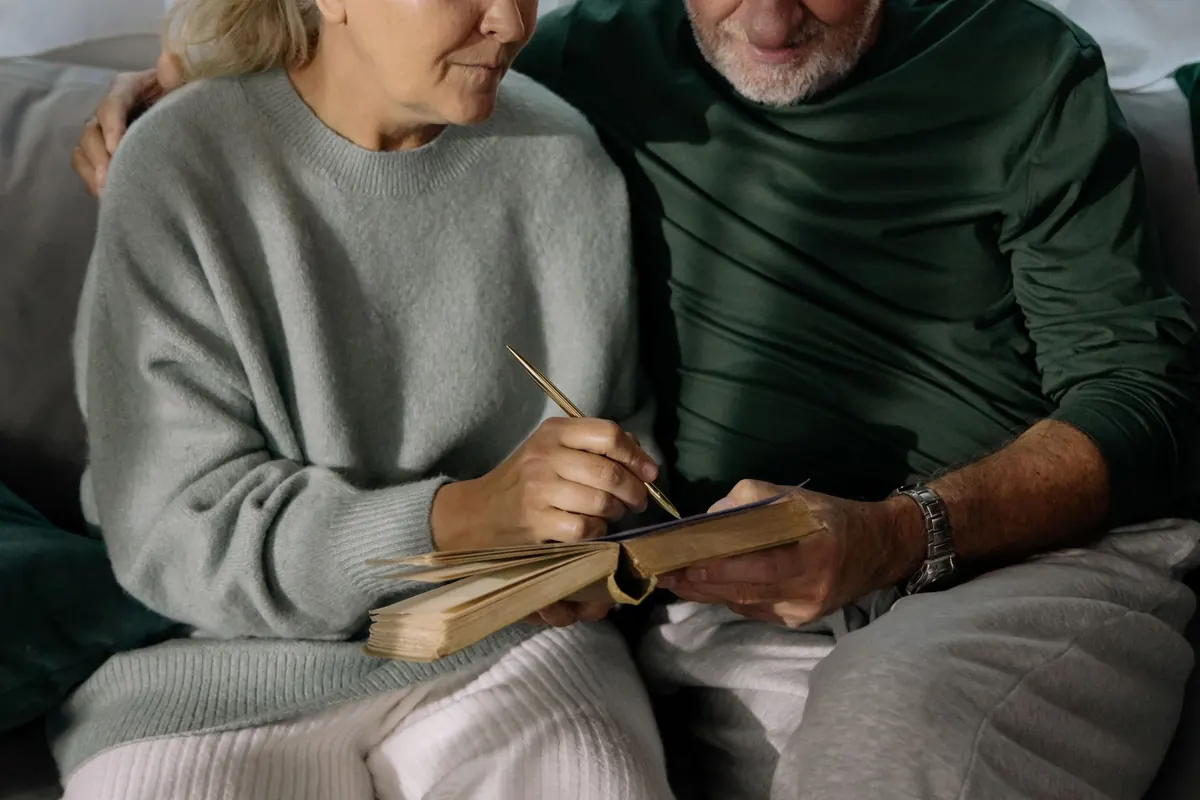
Preparation makes the difference between a stiff interrogation and a real conversation. A week or two ahead, write down what you already know and where the gaps are. Look through old photographs, letters, or a family Bible, and note the names and dates you are unsure about. Then call your relative and explain what you have in mind: "I'd love to sit with you for an hour and record you talking about your childhood. It's just for the family. Nothing gets posted anywhere without your say-so."
That last part matters. Say plainly who will hear the recording, where it will be kept, and that they can stop or skip any question. Most people relax once they know they are not being put on the record for the whole world. If you plan to publish, donate, or post the audio later, talk about that up front and get written permission — and if the material involves anyone else's privacy or copyrighted music in the background, ask someone who knows the rules before you share it.
Build a Question List That Opens Doors
Good questions can't be answered with yes or no. Aim for prompts that ask for scenes, sounds, and feelings, and be ready to follow whatever the answer stirs up. A starter list like this one will carry you through an hour easily:
- Where were you born, and what do you remember about that house or street?
- What did your parents do for work, and what was that like day to day?
- Who was the best cook in the family, and what did they make?
- What was school like for you — the building, the teachers, your friends?
- How did you meet [name]? What do you remember about that first year?
- What did you do for fun as a teenager?
- What is a day you would happily live again?
- What do you wish you had asked your own parents?
- What has changed most about this town since you were young?
- What do you want your grandchildren to know about you?
Order them loosely: start with easy childhood memories and move toward harder or more reflective ground. And keep a few follow-ups in your pocket — "What happened next?", "What did that smell like?", "Who else was there?" — because the best material usually arrives two questions after the one you planned.
Set Up a Recording That Sounds Good
Your phone will do a decent job if you treat it well. Put it on airplane mode so a call doesn't cut the session in half, set it on a folded cloth or small stand between the two of you rather than in your pocket, and keep it closer to the speaker than to you. If you own a simple external microphone or a dedicated recorder, use it; if not, don't let the equipment delay you for another year.
Choose a quiet room with soft furnishings — a bedroom beats a kitchen with a humming fridge. Turn off the television, close the window if there's traffic, and test thirty seconds before you begin. Listen back. If you can hear the clock on the wall, move it. Check the battery level and the storage space, and bring a notebook so you can jot down names and dates without interrupting the flow.
Keep the Conversation Moving
Your job during the interview is to listen more than you talk. Ask a question, then let the silence sit. People often add their most interesting detail after a pause, once they sense you aren't rushing them. Resist the urge to correct small errors in dates or names; write them down and check later. If your relative wanders into an unexpected story about a neighbour or a job you never knew about, follow it. That detour may be the reason you came.
Signal that you are tracking: nod, murmur, and repeat key facts back — "So that was 1958, the year your father got the shop." If they lose the thread, offer a gentle anchor from an earlier answer. Watch for tiredness, and don't try to cover a whole life in one sitting. An hour is plenty, and you can always come back next month for the next chapter.
When Memories Are Painful or Uncertain
Not every question leads somewhere comfortable. War, illness, money troubles, family rifts — these may come up, and your relative gets to decide how far to go. If they pause, ask whether they want to continue or move on, and accept the answer without pressing. If they cry, sit with it rather than rushing to fix it.
Remember, too, that memory is not a court transcript. Dates drift, stories get polished over decades, and two siblings will describe the same summer differently. That does not make the recording useless; it makes it a record of how someone remembers. Treat their account with respect, and where you have documents that contradict it, note the difference in your own records instead of arguing in the moment.
What to Do With the Recording Afterwards
The conversation is only half the work. Unlabelled audio files disappear into a phone or a drawer, so spend twenty minutes while it's fresh:
- Name the file immediately — something like 2024-03-12_Margaret-childhood-and-wedding.
- Back it up in two separate places, ideally one that lives somewhere else, such as a cloud account or an external drive kept at a sibling's house.
- Write a one-page summary with the date, who spoke, and the main topics, so a cousin or grandchild can find things later.
- Make a transcript if you can, even a rough one. Text is searchable; audio is not.
- Save in a common format such as WAV or MP3, and revisit the files every few years as devices change.
Send your relative a copy and tell them what you kept. Many people enjoy hearing themselves, and it often prompts a second round of stories you would never have thought to ask for.
Start With One Afternoon
Pick one relative, one hour, and one theme — the childhood years are a good place to begin. Bring the photos, bring the questions, and bring more patience than ambition. If you leave with a thirty-minute recording, a few unfamiliar names, and a promise to come back, you have done exactly what a family historian is supposed to do. The memories you save today will outlast the phone you recorded them on.
Photo: Marc Majam / Pexels